
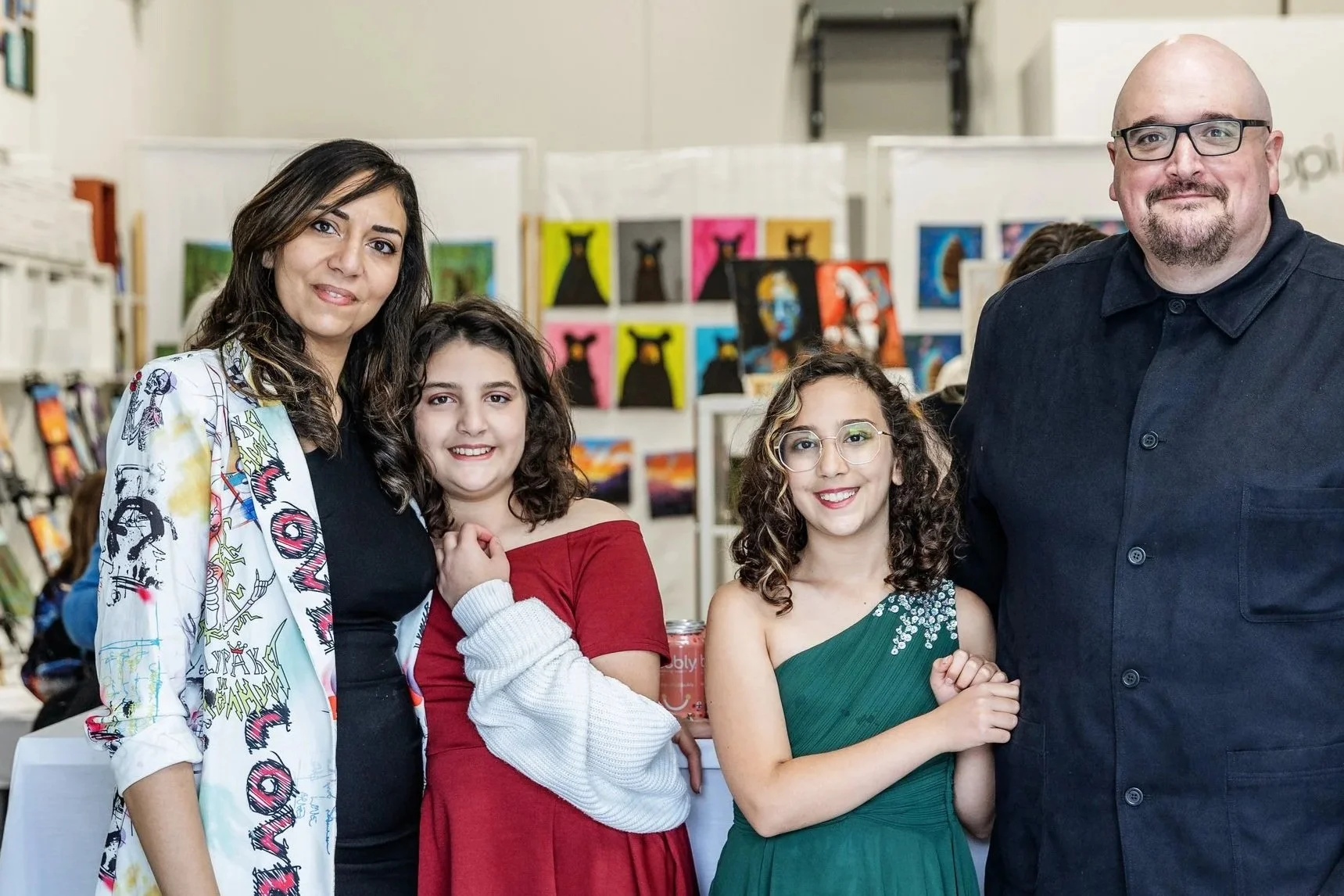
Hi, I’m Dalia Shehata
I’m running for School Trustee for School District 48
I believe every student should be able to access their education, feel like they belong, and have the opportunity to thrive.
For the past decade, I’ve been an active part of our school community.
I’m also fortunate to be part of an amazing community here in Squamish. Through my business, I’ve taught hundreds of kids art, run workshops for adults, and designed a unique program that builds understanding around neurodiversity.
Through both my work and volunteering, I’ve built incredible connections and had the opportunity to learn from so many different leaders, educators, families and community members. Those experiences have given me a much broader understanding of our community—and of the many different perspectives that need to be part of the conversation when we talk about education.
Now, I’m running for School Trustee because I want to put all of this knowledge and experience to good use. I want to take my passion for policy, problem-solving and advocacy and use it to serve my community in an even bigger way.
I’ve spent the last 10 years learning the system.
My family has been part of the public school system for the past decade, and I started volunteering with my kids’ school when my oldest child entered Kindergarten. Since then, I’ve served on the executive team of my kids’ school, I currently am the District Parent Advisory Council representative of Don Ross Middle School, co-chaired the District’s Inclusion Committee for several years, I am on the Accessibility Committtee for both our school district and Squamish District, I volunteered as a parent advocate supporting other families, and spent countless hours in meetings, reading policies, attending partner group meetings about budgets, and learning how decisions actually get made.
Through my advocacy work, I’ve listened to families, educators and school staff, worked through some difficult situations, celebrated some wonderful ones, and learned a lot about the difference between what a system is designed to do and what people actually experience.
Outside of the school system, I run Happimess Art Studio, where I work with hundreds of children and families every year. That gives me another perspective on education, learning, accessibility, social connection, and the many different ways kids experience the world.
I’ve spent years learning this system before taking this leap. I’ve sat on the parent side of the table. I’ve worked alongside educators. I’ve advocated for students. I’ve participated in district-level conversations. And I’ve learned how governance, policy and budgets shape what actually happens in schools.
I’m running because I know how to listen, research, ask questions, understand policy, and keep digging when something doesn’t make sense. I want to put all of that experience to work for our community, and I hope I can count on your support and your vote.
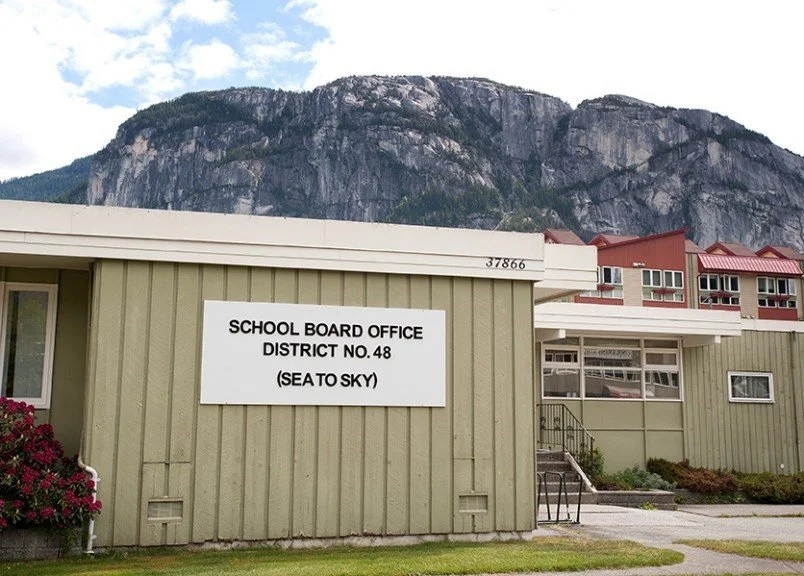
What does a School Trustee do?
School Trustees are locally elected citizens who represent their communities in public education.
Key Responsibilities:
Set Strategic Direction: Create long-term plans, goals, and policies that guide student learning and district priorities.
Approve Budgets: Review and pass the annual school budget, allocating public funds to support student success.
Hire Leadership: Appoint and evaluate the school district superintendent, who manages day-to-day school operations.
Engage Community: Listen to parents, students, and local residents, acting as a bridge between the public and the provincial government.
Ultimately, trustees are responsible for representing their communities and working collectively to improve learning for all students.


When You Vote
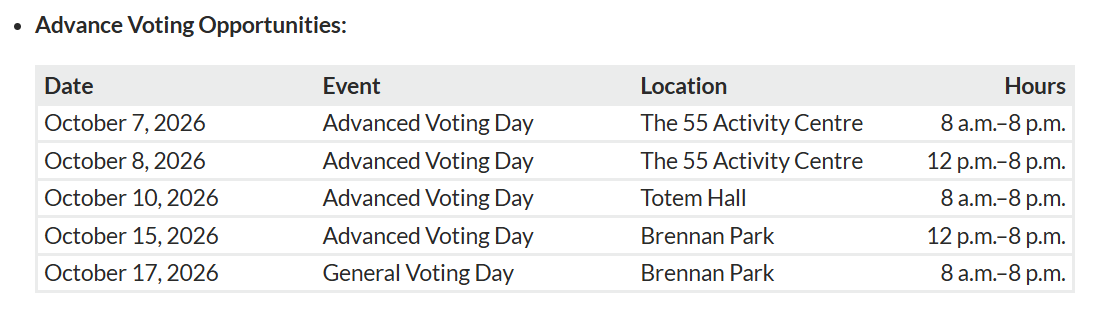
On October 17, 2026, when you head to the polls to vote for your mayor and council candidates, you’ll also choose two School Trustees for the Sea to Sky School District.
Look for:
Dalia Shehata
School Trustee — Sea to Sky School District
If you want me representing Squamish on the Board, make sure Dalia Shehata is one of your choices—you can choose up to two.
What I believe
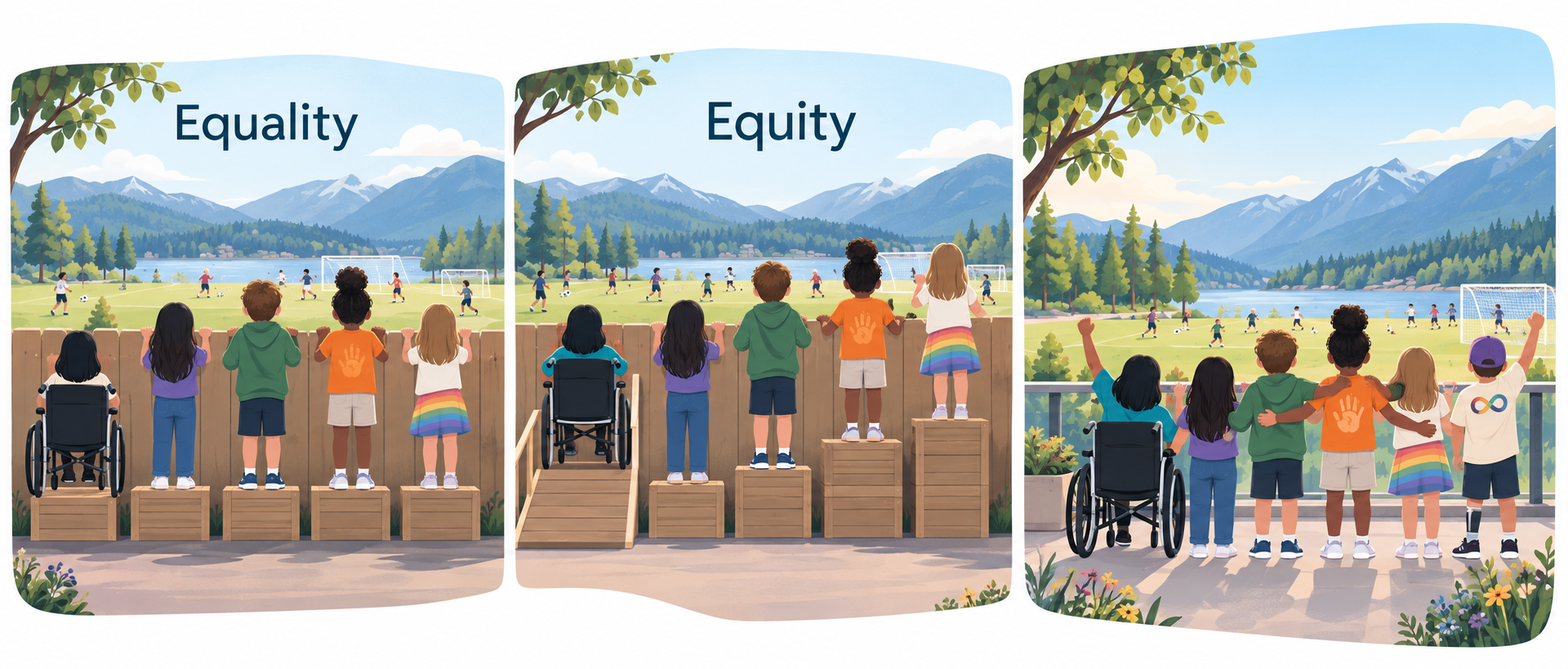
At a glance, I want equitable access to education to be part of how I approach every decision that comes before the Board—whether it’s a budget decision, a new policy, a change to an existing policy, or a district priority. I’ll bring my experience listening to students, families and educators to the table, ask difficult questions, and look carefully at whether our policies and use of resources are helping remove barriers to education.
If you want to know more about what I believe, keep reading…
Students need more than access to a classroom.
Access to education means more than having a desk in a school.
A student who is being bullied, a student who cannot navigate an inaccessible environment, a student whose disability-related supports aren't being implemented consistently, or a student whose family cannot get the information they need is technically in the system—but may not actually be able to access their education.
I want us to look at the barriers that prevent students from participating, learning and belonging, and ask what we can do to remove them.
Accessibility needs to be more than a statement.
I have spent years working around inclusion and accessibility, and one thing has become very clear to me:
A policy is only useful if it changes what happens in real life.
I want the Board to take a closer look at how accessibility policies are implemented, how barriers are identified, and how families and students can actually access the supports they need without having to repeatedly fight their way through the system.
That includes looking seriously at disability, neurodiversity, physical accessibility, communication, sensory needs and the many barriers that aren't immediately visible.
IEPs need implementation, not just paperwork.
Individual Education Plans are supposed to help ensure students receive the supports and adaptations they need to access their education.
But creating a plan and consistently implementing it are two different things.
I believe we need stronger district-level policy, accountability and consistency around IEP implementation so that the support written on paper is actually the support a student experiences at school.
That doesn't mean turning trustees into case managers.
It means making sure the district has the policies, processes, training and oversight necessary for those plans to work.
Communication is part of access.
Families should not have to become professional investigators to understand what is happening with their child's education.
Clear, timely and accessible communication matters—especially when something goes wrong.
The events in Tumbler Ridge have also reinforced how important communication and coordinated response are when communities face a crisis. The province has emphasized the need for safe, caring and inclusive school communities and appropriate protocols for supporting school communities during critical incidents.
I believe our district needs clear expectations around communication: who communicates, when they communicate, what families can expect, and how information reaches the people who need it.
I would also want to examine how provincial commitments and lessons from events like Tumbler Ridge translate into actual district policy and practice—not simply statements of intention.